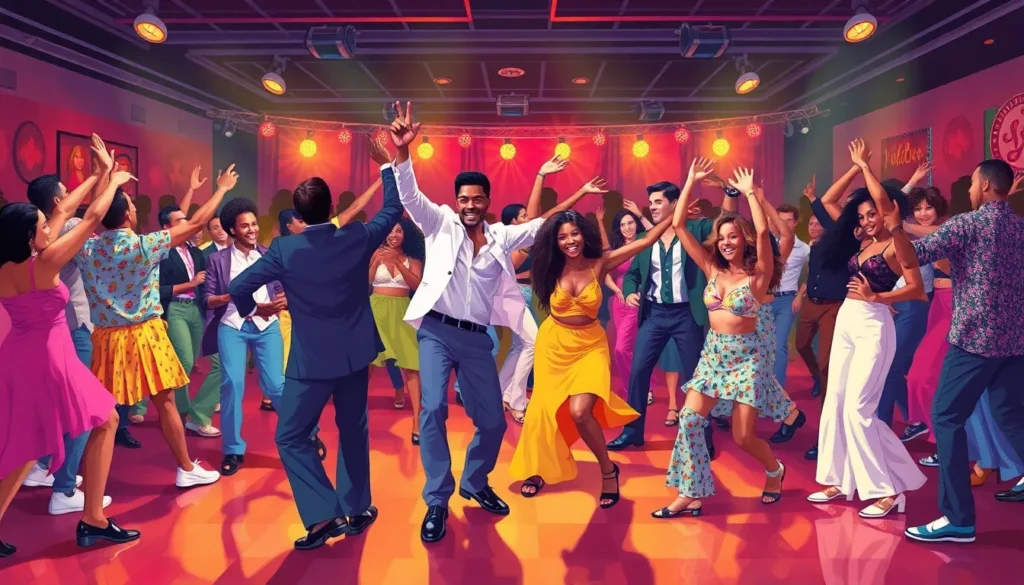
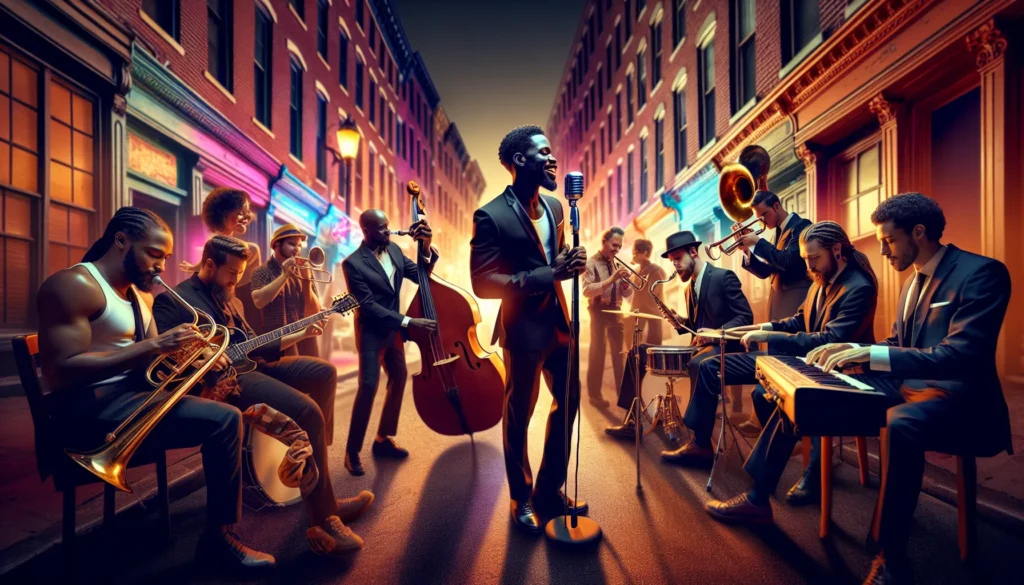
Picture this: It’s 1974, and you’re walking down Broad Street in Philadelphia. The air smells like soft pretzels and summer rain. From a cracked window, you hear a groove so smooth it makes your shoulders sway. That’s the sound of Philadelphia soul music—lush strings, tight horns, and a beat that feels like a heartbeat. If you’ve ever wondered why some songs make you want to dance and cry at the same time, you’re about to find out why Philadelphia soul music does both, often in the same verse.
What Makes Philadelphia Soul Music Different?
Philadelphia soul music, sometimes called Philly soul, isn’t just a genre. It’s a feeling. It’s the sound of hope and heartbreak, dressed up in velvet and gold. Unlike the raw grit of Memphis or the polished pop of Motown, Philadelphia soul music blends gospel, funk, and pop with orchestral arrangements. Think sweeping violins, punchy brass, and vocals that sound like they’re telling you a secret.
Here’s the part nobody tells you: The magic comes from the city itself. Philadelphia’s history of struggle and resilience seeps into every note. The musicians grew up in neighborhoods where music was a lifeline. They played in church basements, on street corners, and in smoky clubs. When they finally hit the studio, they brought all that life with them.
The Architects of the Sound
If you want to understand Philadelphia soul music, you need to know about Kenneth Gamble and Leon Huff. These two songwriters and producers started Philadelphia International Records in 1971. Their goal? To make music that felt like the city—tough, sweet, and honest. They teamed up with arranger Thom Bell, and together, they created a sound that changed American music.
- Gamble and Huff: Wrote and produced hits for The O’Jays, Harold Melvin & the Blue Notes, and Billy Paul.
- Thom Bell: Crafted the lush arrangements for The Stylistics and The Spinners.
- MFSB: The house band, short for “Mother Father Sister Brother,” played on almost every hit. Their song “TSOP (The Sound of Philadelphia)” became the theme for Soul Train.
Here’s why this matters: These artists didn’t just make records. They built a community. They hired local musicians, gave young singers a shot, and made sure the music always felt real.
Signature Songs and Stories
Let’s break it down with a few unforgettable tracks:
- “Love Train” by The O’Jays: Released in 1972, this anthem turned a simple message—unity—into a worldwide hit. The song’s rolling bass and joyful chorus still get crowds moving.
- “Me and Mrs. Jones” by Billy Paul: A story of forbidden love, told with aching vocals and a melody that sticks with you. It hit number one on the Billboard Hot 100 in 1972.
- “If You Don’t Know Me by Now” by Harold Melvin & the Blue Notes: Teddy Pendergrass’s voice cracks with emotion, making every word feel personal.
These songs aren’t just oldies. They’re emotional time capsules. If you’ve ever played a record late at night and felt like the singer understood you, you know the power of Philadelphia soul music.
Why Philadelphia Soul Music Still Matters
Maybe you’re thinking, “That’s great, but does Philadelphia soul music matter today?” Absolutely. Modern artists sample Philly soul tracks all the time. Listen to the lush backgrounds in songs by Alicia Keys or John Legend. You’ll hear echoes of those classic arrangements. Even hip-hop producers like Questlove and DJ Jazzy Jeff grew up on these sounds.
Here’s the twist: Philadelphia soul music isn’t just nostalgia. It’s a blueprint for making music that connects. The honesty, the groove, the sense of community—they’re all still relevant. If you’re a musician, you can learn from the way these artists mixed vulnerability with confidence. If you’re a fan, you can find comfort in knowing you’re not alone in your feelings.
Who Should Listen to Philadelphia Soul Music?
If you love music that makes you feel something—joy, pain, hope—Philadelphia soul music is for you. It’s for people who want more than just a catchy hook. It’s for anyone who’s ever danced in their kitchen or cried in their car. But if you only want background noise, you might miss the point. This music demands your attention. It rewards you with stories, grooves, and a sense of belonging.
How to Dive Into Philadelphia Soul Music
Ready to start? Here’s a quick guide:
- Make a playlist with The O’Jays, Harold Melvin & the Blue Notes, The Stylistics, and Billy Paul.
- Watch the documentary “Love Train: The Sound of Philadelphia” for behind-the-scenes stories.
- Visit Philadelphia’s South Broad Street and see the mural honoring Gamble and Huff.
- Read interviews with the artists—many talk about their struggles and triumphs in their own words.
Next steps: Share your favorite Philly soul track with a friend. Ask them what it makes them feel. You’ll be surprised how often the answer is “everything.”
Lessons from the Heart of Philly Soul
Here’s what nobody tells you: The best music comes from real life. Philadelphia soul music proves that you don’t need perfection. You need honesty, community, and a willingness to put your heart on the line. The next time you hear those strings swell and the beat kick in, remember the people who made it possible. They turned their struggles into songs that still move us today.
If you’ve ever felt like you didn’t fit in, or that your story didn’t matter, listen to Philadelphia soul music. You’ll hear proof that every voice counts. That’s the real heartbeat of rhythm and soul.