
Blues Rock Music: The Heart and Soul of the Sound
When we think of music that resonates deeply with our souls and gets our feet tapping, it’s hard not to mention blues rock. This genre, born from the melting pot of American culture, combines the raw emotion of the blues with the powerful energy of rock. But hey, before we jump into our nostalgic trip down this sonic highway, let’s peel back the layers a bit, shall we? Buckle up as we explore the roots, the legends, and what makes blues rock pulse through our veins.
Origins of Blues Rock
Blues rock has a fascinating history that traces back to the late 1940s and early 1950s. This genre emerged from the crossroads of country blues and the burgeoning rock ‘n’ roll scene. Artists like Muddy Waters and B.B. King laid the groundwork with their powerful performances and emotive storytelling, infusing elements of rhythm and blues into their music.
We often think about how society’s changes influenced musical evolution. The socio-political climate of the time created a fertile ground for artistic expression. As segregation began to falter, blues started to permeate mainstream culture. Imagine the sound of electric guitars and gritty vocals echoing through the air, captivating audiences of all backgrounds, this is the essence of blues rock’s inception.
Key Influences in Blues Rock Development
The trajectory of blues rock has been shaped by a myriad of influences, some of which are iconic in their own right. The British Invasion of the 1960s propelled the genre onto the global stage. Bands like The Rolling Stones and The Yardbirds drew heavily from American blues, demonstrating how transatlantic love affairs can influence music as we know it today.
Alongside this, we had artists like Eric Clapton, who began merging blues sensibilities with rock, crafting a sound that would become the blueprint for future musicians. Let’s not forget the influence of funk, soul, and jazz, which enriched blues rock even further. The genre is like a sturdy oak tree, its roots deep in diverse musical soils.
Characteristics of Blues Rock Music
Now that we understand how blues rock came to be, let’s examine what distinguishes it. The genre is characterized by a whole lot of guitar work, think hard-hitting riffs, soulful solos, and driving rhythms. The vocals? They come with a healthy dose of grit and emotion. What blues rock does best is convey feelings. Whether it’s heartbreak, joy, or rebellion, we find a way to connect with those raw emotions through music.
Another defining feature is the incorporation of improvisation. Just like in jazz, musicians often riff off each other, creating spontaneous and electrifying performances. We love how this makes every show unique. With improvised solos, the experience becomes a shared moment between the audience and the band, deepening our connection through the music.
Notable Blues Rock Artists
Speaking of connections, let’s shine a light on some of the legendary artists who have carried the blues rock torch. Jimi Hendrix, known for his flamboyant style and extraordinary guitar skills, took the genre to unprecedented heights. His performances were nothing short of a spiritual experience.
Then there’s Janis Joplin, whose powerful voice and emotional delivery brought a unique flavor to blues rock. We can’t overlook the contributions of Stevie Ray Vaughan, who not only revived blues rock in the 1980s but also introduced a new generation to the genre. Each of these iconic figures has contributed to the tapestry of blues rock, leaving imprints that resonate to this day.
Impact of Blues Rock on Modern Music
The footprints left by blues rock artists are visible in many modern genres. We hear their influence in everything from rock and pop to hip-hop and electronic music. For example, contemporary artists like Gary Clark Jr. and the Alabama Shakes weave blues rock elements into their sound, breathing new life into the genre while paying homage to its roots. Their music echoes the sentiments of past generations but with fresh perspectives, showing just how timeless blues rock is.
The Future of Blues Rock
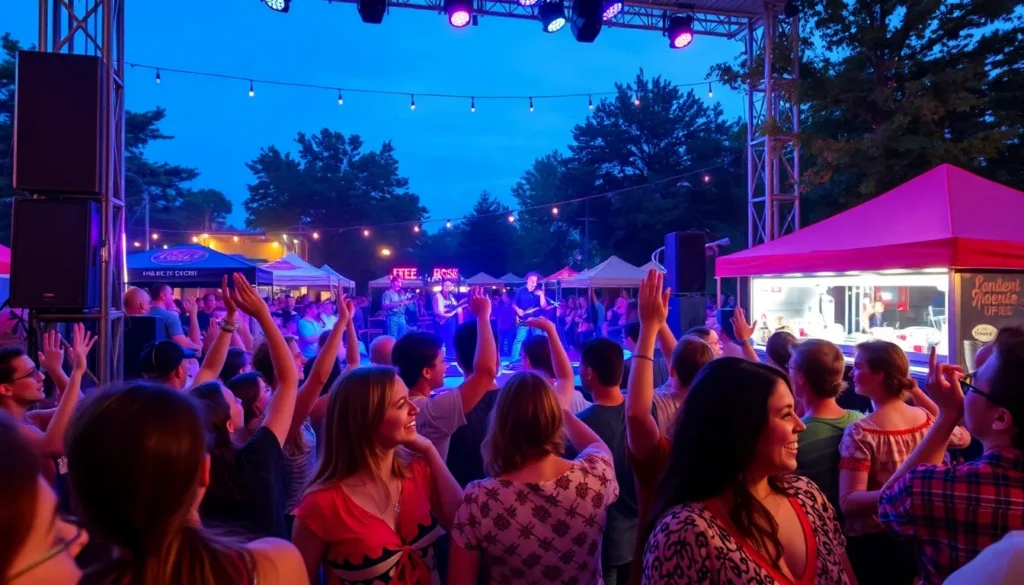
As we look ahead, one thing is clear: blues rock is far from dead. In fact, it may be entering a renaissance. The hunger for authenticity in music drives new artists to explore the depths of blues while melding it with other genres. Festivals dedicated to blues rock are sprouting up around the world, attracting diverse audiences eager to experience the raw sound that history has to offer.
We see budding collaborations between established legends and emerging talents, setting the stage for exciting innovations in the genre. As music continues to evolve, we can expect blues rock to adapt while still honoring its rich heritage.